Technology Empowering High-Value Forest Products (Part Three): Wood-Based New Materials

F05 Technology Empowering High-Value Forest Products (Part Three): Wood-Based New Materials
A technological leap from one block of wood to a trillion-dollar new-materials empire
Original by Foreststellar · Xu Li
In the first two parts of F05, I explored two trillion-dollar tracks: forest food and forest medicine. A reader left a message in the backend: Mr. Xu, you have talked about what we eat and about medicine — but what about wood itself? Beyond building houses and making furniture, what more high-end things can wood do?
Good question. Today’s article may overturn everything you think you know about a block of wood.
In most people’s eyes, wood is for building houses, making furniture, and burning for fuel. A step up, it is rosewood bracelets and solid wood flooring. But if I told you that the high-speed train bodies, aircraft skins, bulletproof armor, mobile phone chips, battery anodes, and even human bone substitutes of the future might come from that pine tree on the hill behind your house — would you think I was writing science fiction?
It is not science fiction. These technologies are becoming reality in laboratories around the world right now.
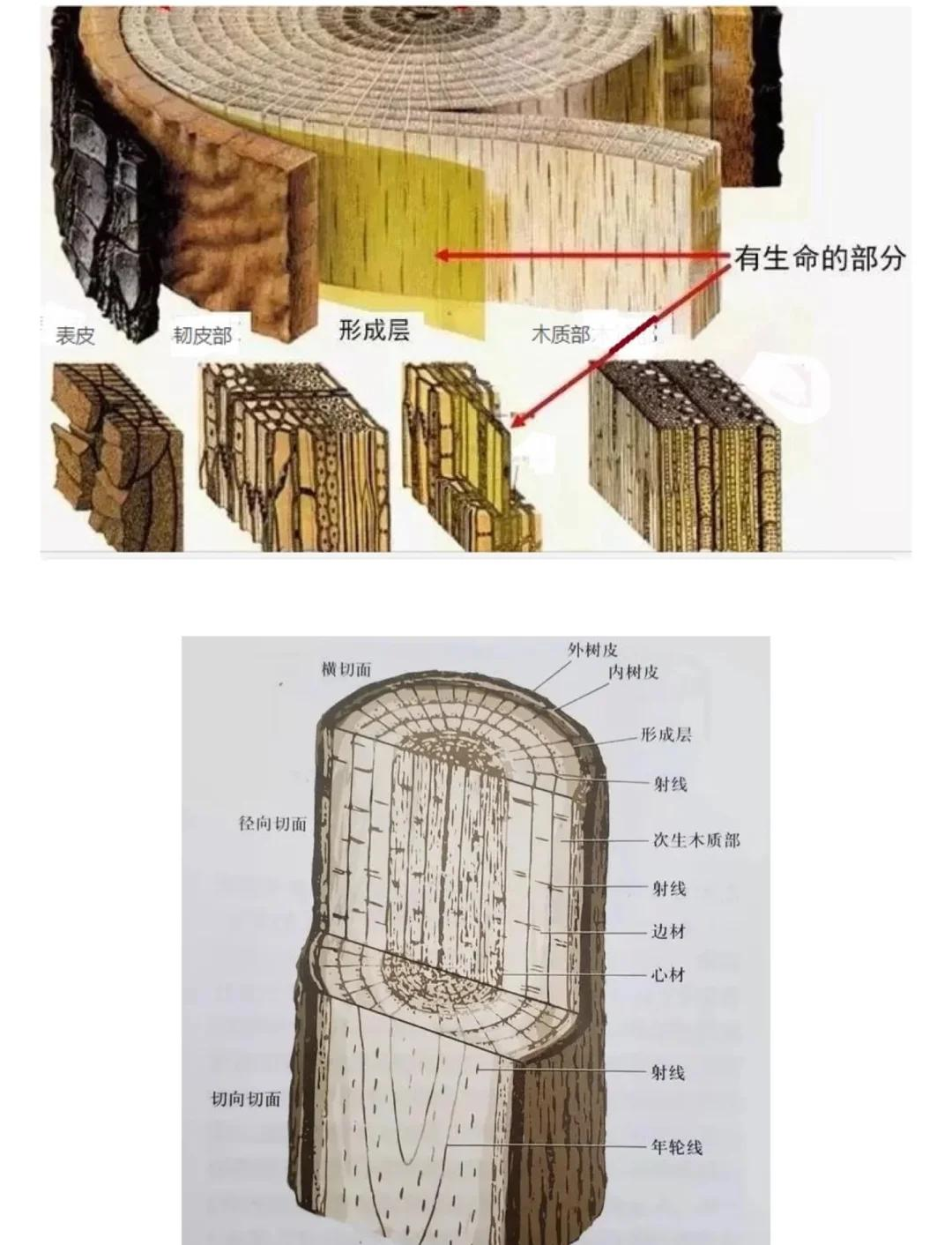
【Wood: The Underestimated Nanocomposite】
To understand why wood can do so many incredible things, we first need to reacquaint ourselves with its microstructure.
Under an electron microscope, wood is an exquisitely refined natural nanocomposite. It is made up of three core components: cellulose — the rebar skeleton of wood, providing tensile strength; hemicellulose — the flexible connectors between the rebar; and lignin — the concrete that wraps the rebar, providing compressive strength and resistance to water and decay.
These three are arranged and combined with nanoscale precision, forming a super-structural material that nature spent more than 300 million years optimizing. This hierarchical structure runs from the nanoscale (cellulose molecular chains) to the microscale (cell wall layers) to the millimeter scale (annual rings), and every layer has its own distinct function. Put plainly, humanity still cannot build a natural composite material more ingenious than wood — we have only begun to understand it in recent decades, let alone copy it.
It is precisely on the basis of this deep understanding of the microstructure that materials scientists around the world have launched a wood revolution — not simply sawing wood up and using it, but disassembling, reassembling, and modifying it at the molecular and nanoscale level to give it entirely new properties far beyond those of natural wood.
【Direction one: Densified modified wood — making wood stronger than steel】
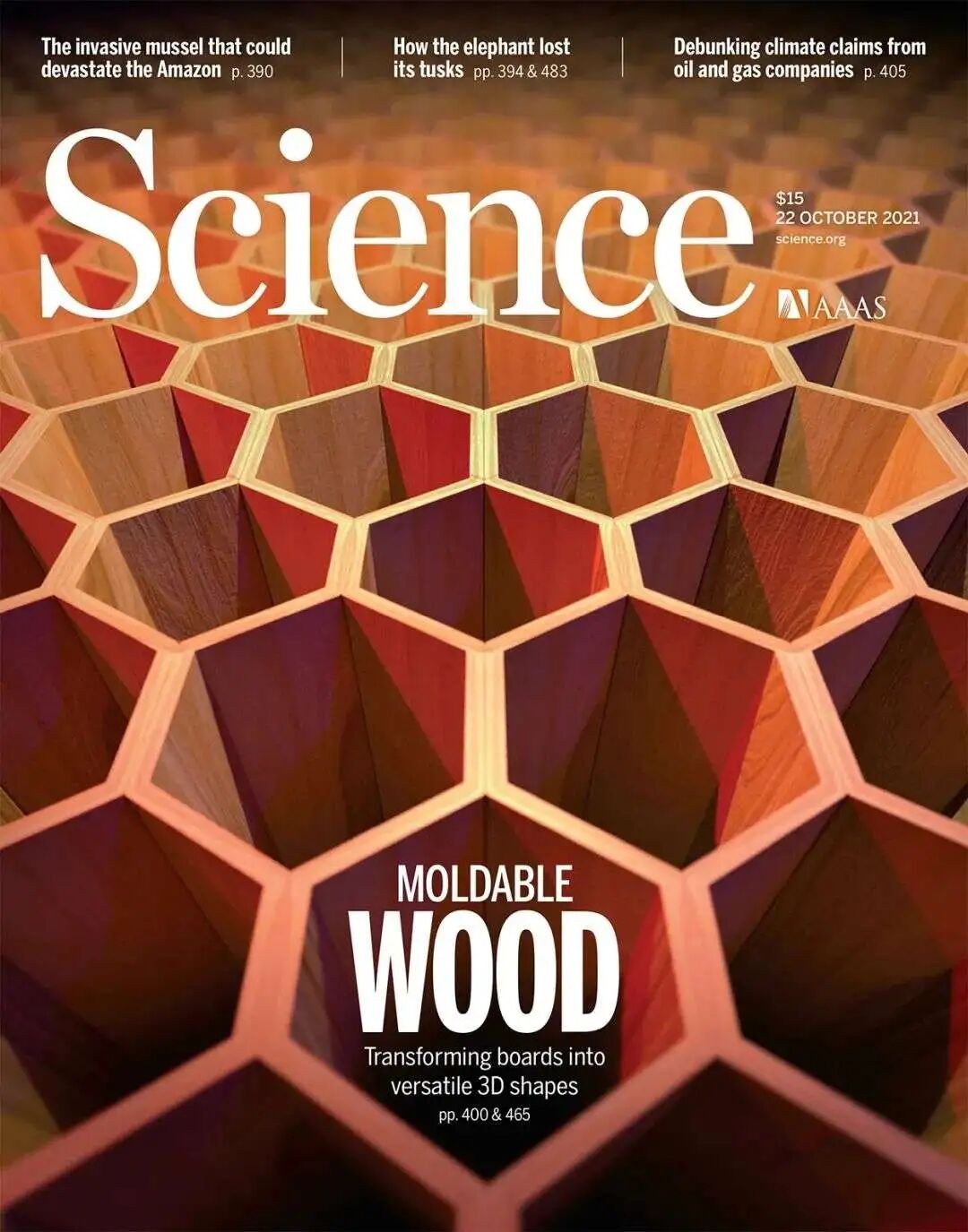
The most striking breakthrough in this field comes from the team of Professor Liangbing Hu at Yale University.
Traditional methods of strengthening wood amount to nothing more than compression — squeezing the wood tighter and denser. But that approach has limited effect: press too hard and the wood simply cracks and springs back. The innovation of Hu’s team was first to chemically remove part of the lignin and hemicellulose from the wood (the equivalent of tearing down part of the concrete wall), exposing more cellulose nanofibers, and then to hot-press it along the wood’s natural grain. The result? Abundant hydrogen bonds form between the cellulose nanofibers — as if countless scattered pieces of rebar were all aligned neatly and welded together at the molecular level.
The super wood produced this way has more than 11 times the strength of natural wood, and its specific strength (strength divided by density) even surpasses titanium alloy. A palm-sized piece of super wood can withstand tens of tonnes of pressure without a scratch.
What does that mean? It means the pine flooring in your home, after modification, could be used to make a car’s crash beam, the structural members of a high-speed train carriage, or even an aircraft fuselage frame. And it is far lighter than metal — lighter means less fuel, higher efficiency, and lower carbon emissions.
In 2018 Professor Hu’s team published the result in Nature, under the title “Processing bulk natural wood into a high-performance structural material.” The paper has been cited more than 3,000 times, which shows just how much attention the academic world is paying to this direction.
Zhongsen Ecology is now collaborating with the international carbon materials team at the Chinese University of Hong Kong. Imagine this: among the tens of millions of mu of forest we hold, the small-diameter timber and branchwood thinned out during tending of young and middle-aged stands — traditionally only good for chipping and selling for a few hundred yuan a tonne — could, after densification and modification, become a super engineering material capable of replacing steel and titanium alloy, multiplying its value dozens or even hundreds of times.
【Direction two: Transparent wood — turning wood into windows and screens】
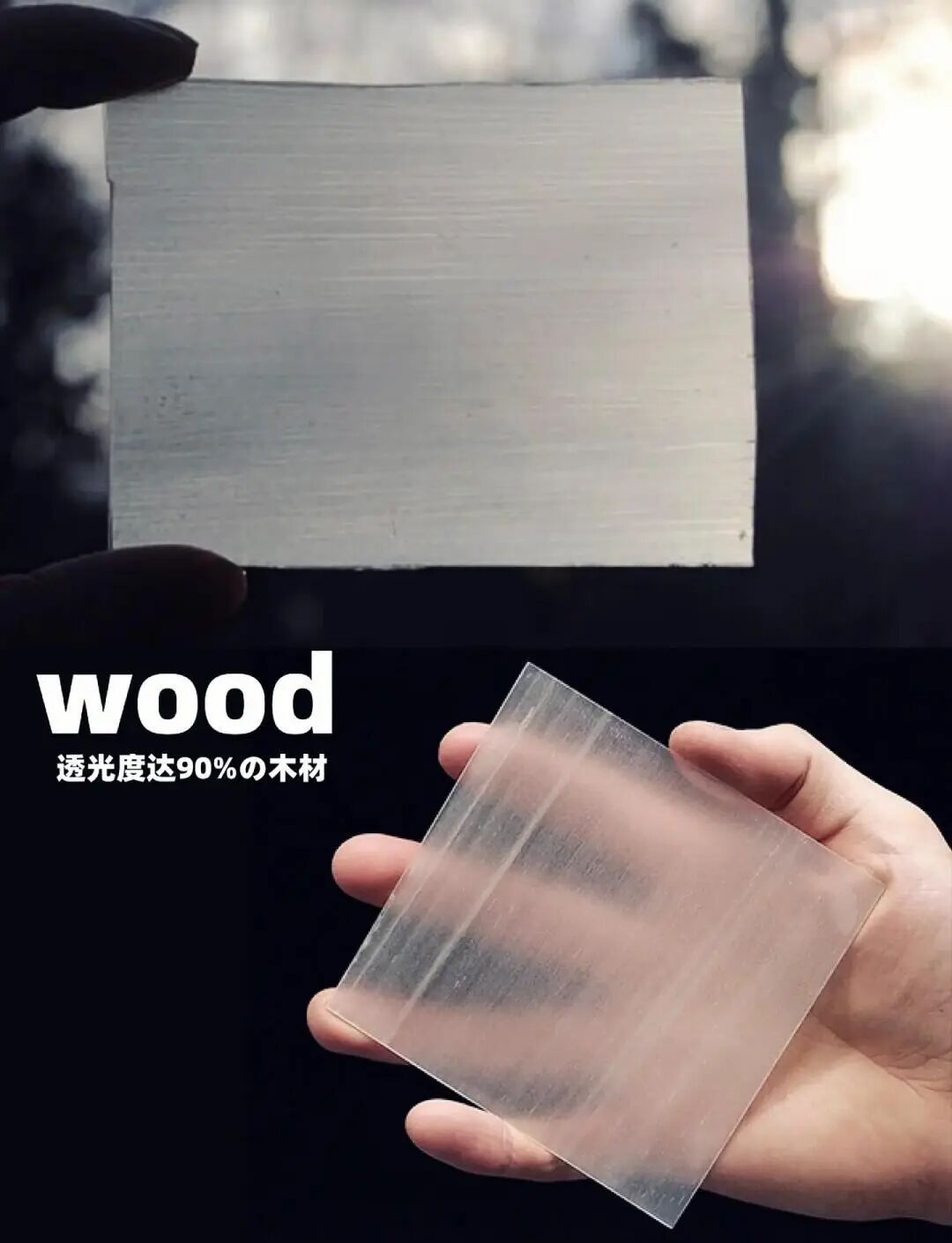
If super wood makes wood stronger, transparent wood makes it more beautiful — beautiful enough to overturn your imagination of windows and screens.
The principle behind transparent wood is not complicated: again, the lignin is first removed (lignin is the main substance that gives wood its brown-yellow color), and the cell cavities of the wood are then filled with a transparent polymer whose refractive index matches that of cellulose (such as PMMA, the main component of plexiglass). Light passing through the wood is then no longer scattered, and the wood becomes transparent.
The team of Professor Lars Berglund at KTH Royal Institute of Technology in Sweden are the pioneers of this field. The transparent wood they produce can reach a light transmittance of more than 85% — about the same as ordinary glass, but far lighter and shatter-resistant. More importantly, transparent wood insulates more than five times better than glass — keeping warmth in during winter and heat out in summer — and its significance for building energy efficiency goes without saying.
Think about it: in the skyscrapers of the future, the outer wall will no longer be a whole curtain wall of glass but transparent wood — letting in light, insulating, environmentally friendly, and carrying a natural wood aesthetic of its own. A building’s energy consumption could fall by more than 30% as a result.
Going further, if conductive polymers are filled into transparent wood, it can also become the substrate for flexible displays — the base material of your phone screen could have grown on a birch tree. The team of Liangbing Hu at the University of Maryland (yes, him again) and teams in Sweden have both made exciting progress in this direction.
【Direction three: Lignin-based carbon fiber — a comeback from waste to a premium material】
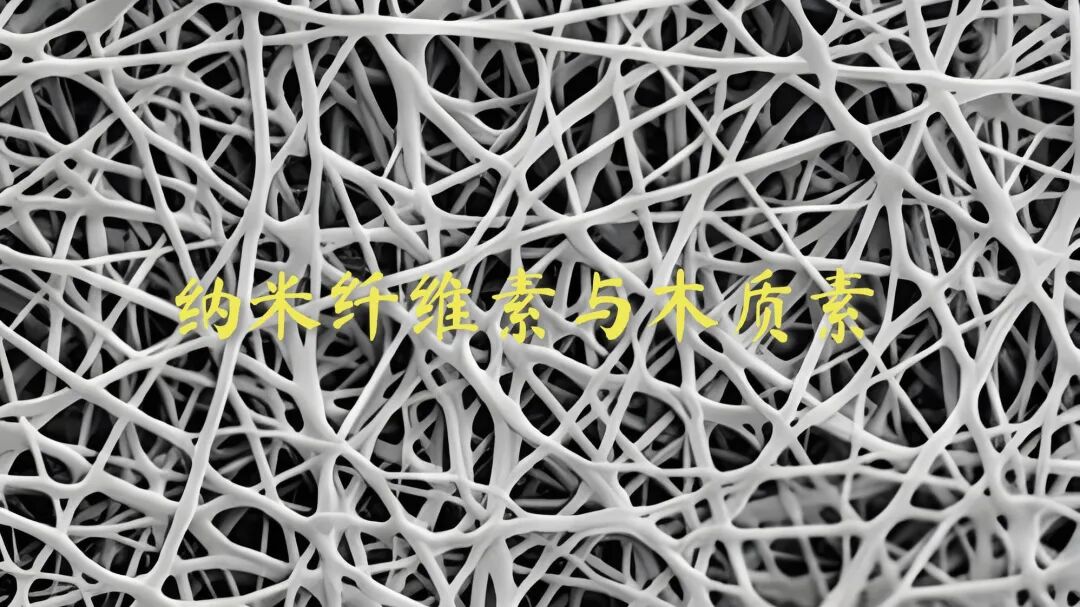
Carbon fiber has been called the king of materials — 10 times stronger than steel and 30% lighter than aluminum, found everywhere from Formula 1 cars to the Boeing 787 to high-end fishing rods. But carbon fiber has one fatal pain point: it is expensive.
Today more than 95% of the world’s carbon fiber is made using polyacrylonitrile (PAN) as the precursor. PAN comes from the petrochemical industry: high cost, non-renewable, and it releases large amounts of toxic gas during carbonization. A tonne of PAN-based carbon fiber sells for RMB 150,000 to 300,000, and high-end grades can exceed RMB 1 million — which is why carbon fiber is still mainly used in aerospace and high-end sports equipment, and has never entered the mass consumer market.
So is there a way to make carbon fiber from wood?
The answer is yes. And the raw material is the waste of the papermaking and wood-processing industries — lignin.
Lignin is the second most abundant natural polymer on Earth (after cellulose), making up 15%–35% of the dry weight of wood. Yet in the traditional paper industry, more than 70 million tonnes of lignin are burned as waste or discharged into rivers every year — not only an enormous waste but also a serious source of environmental pollution.
But this brown waste is in fact an excellent precursor for carbon fiber. Lignin contains more than about 60% carbon, and its molecular structure contains a large number of aromatic rings — exactly what is needed to form high-quality carbon fiber.
Research at the U.S. Oak Ridge National Laboratory (ORNL) shows that carbon fiber made with lignin as the precursor can reach a tensile strength of 1.0–1.5 GPa (roughly T300 grade), fully sufficient for industrial-grade applications — lightweight automobiles, wind turbine blades, pressure vessels and more — at only one-third to one-half the cost of PAN-based carbon fiber.
Let us do the math. A paper mill producing 1 million tonnes of pulp a year generates about 300,000 tonnes of lignin waste. If 50% of it were converted into carbon fiber (at a 30% carbonization yield), that would give about 45,000 tonnes of lignin-based carbon fiber. At RMB 80,000 a tonne, that is RMB 3.6 billion in output value — from waste that used to be burned.
This is what I call one of the most important ideas in forestry: everything can be converted. In the earlier F04 articles we stressed again and again the need to use every last part of the forest, and lignin-based carbon fiber is one of the ultimate expressions of that — the tree is felled, the main timber becomes furniture or super wood, the branches and bark yield medicinal compounds, and the leftover lignin waste becomes carbon fiber — one tree, from beginning to end, with nothing wasted.
【Direction four: Lignin-based adhesives — ending the formaldehyde nightmare】

Mention glue and the first thing people think of is probably not high technology. But if you know that the world produces more than 20 million tonnes of adhesive a year, and that wood processing (plywood, particleboard, fiberboard) consumes more than 70% of it, you will not think this is a small matter.
The more serious problem is that the great majority of these adhesives are aldehyde-based — urea-formaldehyde resin, phenol-formaldehyde resin, melamine-formaldehyde resin. Their core raw material is formaldehyde. That pungent smell in your newly renovated home is formaldehyde, and the Group 1 carcinogen identified by the World Health Organization is formaldehyde too. Although countries have ever stricter standards for formaldehyde emissions from panels (such as China’s E0 grade and Japan’s F4 star rating), as long as aldehyde-based adhesives exist, formaldehyde emissions can never be completely eliminated.
Is there a wood adhesive that contains no formaldehyde? Yes — made from lignin.
Lignin itself has excellent binding properties — in plants, lignin is the natural adhesive that glues cellulose fibers together to form solid wood. Through chemical modification (hydroxymethylation, phenolation, oxidative coupling, and so on), scientists can greatly increase lignin’s reactivity and achieve excellent bonding strength without adding any formaldehyde at all.
The lignin-based adhesive developed by Finland’s VTT Technical Research Centre has already succeeded at industrial pilot scale; the bond strength of the plywood it produces matches or exceeds the standard of traditional phenol-formaldehyde resin. More importantly, this adhesive has more than 90% lower carbon emissions than conventional adhesives.
For forest operators like us, this means an entirely new industry chain: large-diameter timber from National Reserve Forests goes into super wood and furniture, while the small-diameter timber and branchwood from thinning yield lignin for adhesives — and those adhesives can in turn be used in our own panel production, forming a perfect internal loop. A tonne of lignin sells for roughly RMB 3,000–8,000 (depending on purity and degree of modification), while a tonne of high-quality lignin adhesive can fetch more than RMB 15,000.
【Direction five: Wood-based battery materials — from forest to new energy】
If the previous directions were already within many people’s expectations, the next one may make you reconsider the value of that pile of dead branches and fallen leaves on the hill behind your house.
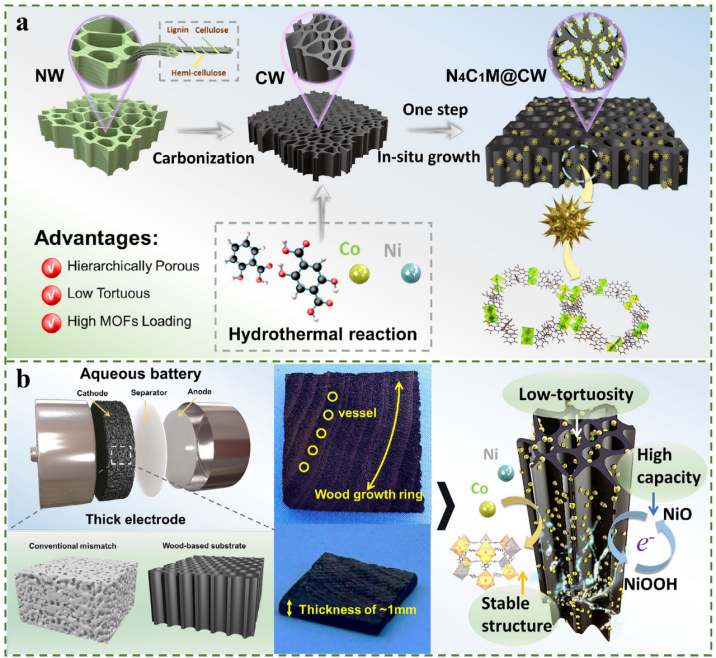
The anode material of modern lithium batteries is mainly graphite. But graphite faces two problems: first, its theoretical capacity is limited (372 mAh/g); second, China’s high-quality graphite ore resources are increasingly depleted, and high-grade spherical graphite depends heavily on imports.
Can wood make a battery? The answer is yes — and its performance may be better than graphite’s.
Pyrolyzing (carbonizing) wood at high temperature in the absence of oxygen yields a material called biomass hard carbon. This hard carbon has a disordered microstructure containing large numbers of nanopores — and those pores are exactly the ideal places to store lithium or sodium ions. Research shows that lignin-derived hard carbon used as a sodium-ion battery anode can reach a reversible capacity of 300–350 mAh/g with a first-cycle Coulombic efficiency above 85% — both figures already matching or exceeding many commercial hard carbon products.
In 2023 the Finnish forestry giant Stora Enso announced a EUR 100 million investment to build Europe’s largest lignin-based hard carbon production line, aimed squarely at the global sodium-ion battery market. Chinese companies such as CATL and HiNa Battery are also actively building out supply chains for lignin-derived hard carbon.
Even more exciting, the by-products of wood carbonization — wood vinegar, wood tar, combustible gas — can all be collected and used, closing the loop on biomass energy. This is the concept of a complete biorefinery: a tree goes in, and out come battery materials, biofuels, and chemicals — with almost zero emissions and zero waste.
One more frontier direction deserves attention: using cellulose nanofibers (CNF) as battery separators. The separator in a conventional lithium battery is a polyolefin (PE/PP) film with poor high-temperature resistance; when the battery overheats, the separator shrinks and can cause a short circuit, or even a fire or explosion. Cellulose nanofiber separators, by contrast, have excellent thermal stability — they withstand temperatures above 200°C without deforming — which would greatly improve battery safety. Nippon Paper in Japan has already made breakthrough progress here.
【Direction six: Lignin-based photoresist — when wood enters the chip fab】
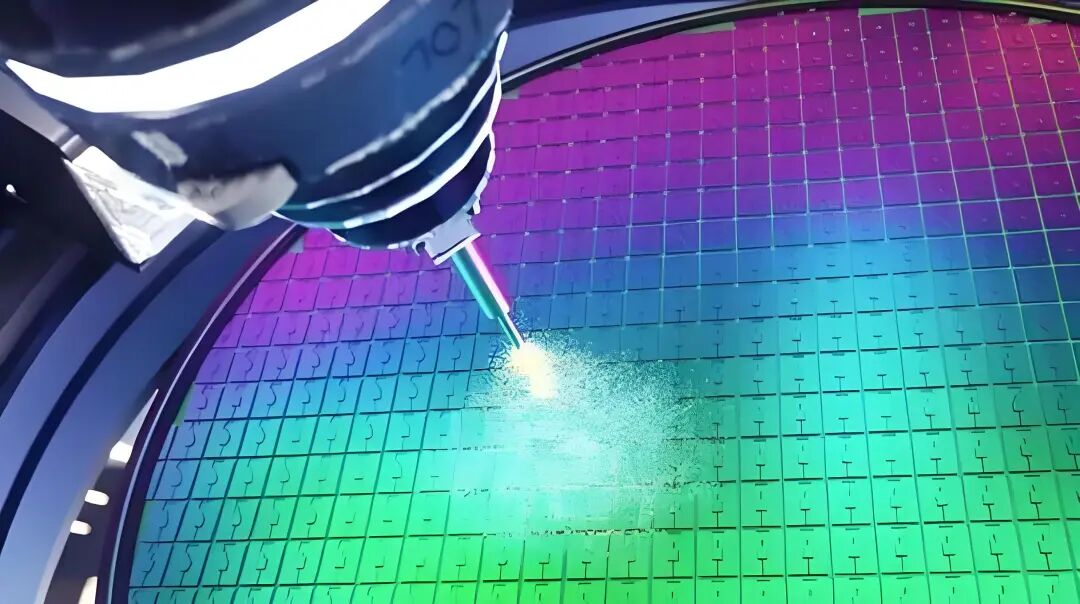
This may be the most unexpected of all the directions.
Photoresist is one of the most core materials in chip manufacturing — no photoresist, no integrated circuits. The global photoresist market is worth more than USD 10 billion, and is almost monopolized by a handful of companies such as Japan’s JSR, Tokyo Ohka Kogyo, Shin-Etsu Chemical, and Fujifilm. China is as constrained in photoresist as it is in lithography machines.
But you might not guess that lignin can be used to make photoresist.
Lignin molecules contain large numbers of phenolic hydroxyl groups and aromatic ring structures, and these structures undergo chemical reactions under ultraviolet light — either crosslinking and curing, or degrading and dissolving. That property happens to satisfy the core working principle of photoresist: using light exposure to change a material’s solubility in the developer, thereby transferring the pattern on the mask onto the wafer.
In 2021 a research team at the U.S. Department of Energy’s Bioenergy Innovation Center published a paper that caused a stir: the photoresist they made from modified lignin successfully achieved pattern transfer with a line width of less than 100 nanometers — still short of the few-nanometer precision of the most advanced EUV photoresists, but enough to prove lignin’s potential in semiconductor materials.
In addition, cellulose nanocrystals (CNC) have a unique chiral nematic liquid crystal structure — when dried, they form structural-color films resembling butterfly wings or opals. This structural color does not rely on pigments but on nanoscale physical structures reflecting light of specific wavelengths. The property has broad application prospects in anti-counterfeiting labels, optical sensors, flexible display devices, and more.
Let me add one more point: whether we are talking about lignin or cellulose, their greatest advantage is sustainability. The chip industry is a highly polluting industry — photoresist production requires large amounts of organic solvents and toxic chemicals. If lignin-based photoresist can replace part of that in the future, it will serve not only China’s strategic need to break through a bottleneck but also the urgent need for a green transformation of the global semiconductor industry.
【Direction seven: Wood-based biomedical materials — when wood enters the human body】
In the second part of F05 we discussed the enormous promise of converting forest resources into biopharmaceuticals. In fact wood itself can also shine in the field of medical devices.
Bamboo-fiber bone repair material is a typical case. After natural bamboo fiber is delignified and mineralized with hydroxyapatite, it yields a biocomposite whose mechanical properties closely match those of human bone. Its elastic modulus is very close to that of human cortical bone — something metal bone screws and plates cannot achieve (metal is too stiff, producing a stress-shielding effect that causes the surrounding bone to degenerate and atrophy). More importantly, this bamboo-fiber material degrades gradually in the body and is replaced by new bone tissue — you do not need a second operation to take it out.
We are working on this direction with the biomedical engineering team at the Chinese University of Hong Kong. Preliminary animal experiments show that the bone fusion rate of bamboo-fiber bone repair scaffolds can reach more than 85% within 12 weeks — a very encouraging figure.
Nanocellulose also performs outstandingly in wound repair. The nanocellulose wound dressing developed by VTT in Finland is transparent, breathable, and moisture-retaining, and it allows you to observe healing without opening the wound — because the material itself is transparent. Clinical trials show that burn patients treated with nanocellulose dressings healed more than 30% faster, with markedly less scarring.
Cellulose acetate (extracted from wood pulp) is another important medical polymer. Products made from it — hemodialysis membranes, sustained-release drug microspheres, surgical sutures — have been used widely around the world for decades. You may not know that when you go for a dialysis session, the membrane filtering your blood very likely came from a forest.
【Market prospects for wood-derived new materials and the revaluation of forests】
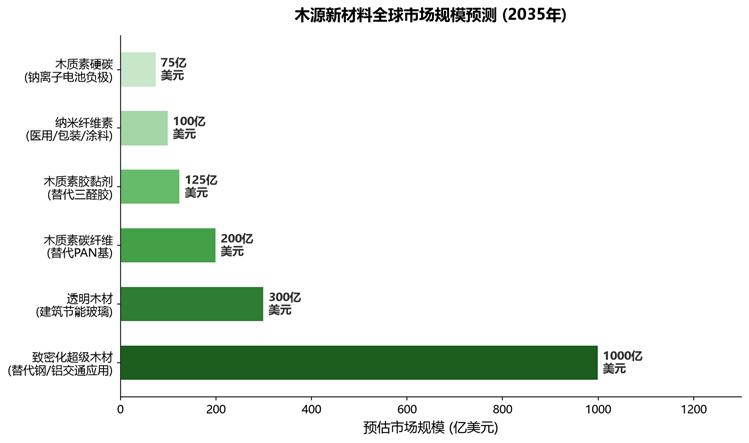
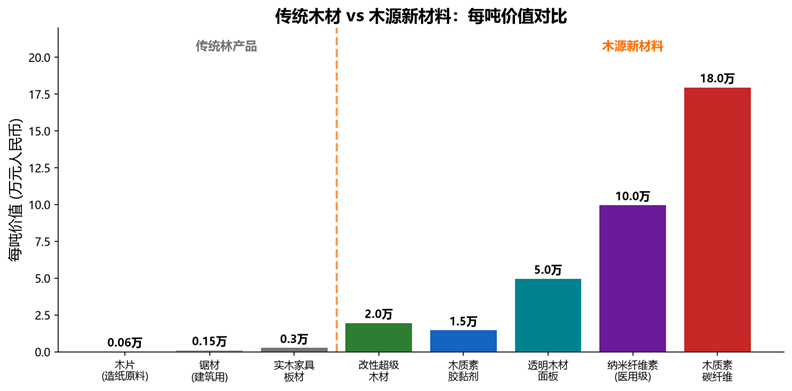
Let us return from these exciting technologies to a more practical question: how big is the market for these new materials?
I have made a rough estimate. By 2035, the projected global market size for the directions above is as follows:
Densified super wood (replacing some applications of steel and aluminum alloy in transportation): about USD 80–120 billion.
Lignin-based carbon fiber (replacing part of PAN-based carbon fiber): about USD 15–25 billion.
Transparent wood (replacing energy-efficient architectural glass): about USD 20–40 billion.
Lignin-based adhesives (replacing aldehyde-based adhesives): about USD 10–15 billion.
Lignin-derived hard carbon (sodium-ion battery anode material): about USD 5–10 billion.
Nanocellulose (medical dressings, food packaging, coating additives): about USD 8–12 billion.
Added together, the global market for wood-derived new materials over the next decade will be at least USD 150 billion to 220 billion — equivalent to recreating the entire current global trade in forest products.
And that is only what can be foreseen. The breakthroughs still in the laboratory, technologies we do not yet know about, may push that number higher still.
For those of us who manage forests, this means a thorough revaluation. In the past, what was a forest worth? Nothing more than standing timber volume multiplied by the unit price of timber. That is the shallowest and most wantonly wasteful way to value a forest.
A tree, beyond that one block of wood, holds in every fiber, every cell wall, every drop of sap an inexhaustible value that modern technology can convert and use. A forest is not a timber warehouse — it is a natural mine of new materials, a treasure house of nanomaterials waiting to be unlocked by modern science.
Wood may have kept humanity company for hundreds of thousands of years. But our real understanding of it, our use of it, our surpassing of it — has only just begun.
(This concludes the F05 series. The next installment moves on to F06: My Reflections on Perpetual Forest Management — Protection Through Development.)
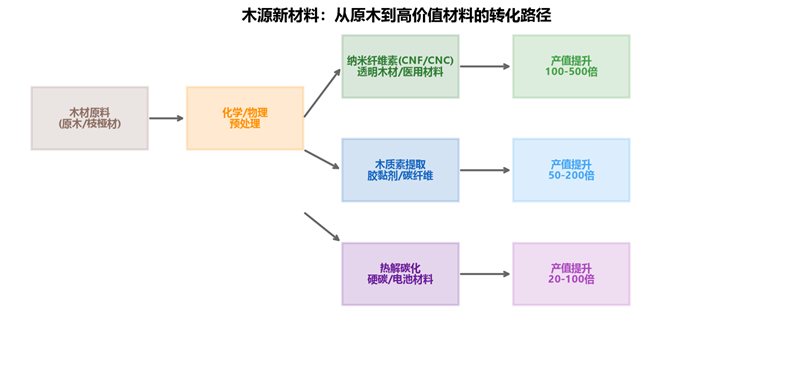
【Appendix: Overview of conversion pathways for wood-derived new materials】
*—*Foreststellar · Perpetual Forest Management Series · F05 Technology Empowering High-Value Forest Products —