Forest Functional Food
────────────────────────────────────
FOREST NUTRITION
────────────────────────────────────
F05 Technology Empowering High-Value Forest Products
— Forest Functional Food
Author: Xu Li | WeChat Official Account: Foreststellar | July 2026 (in-depth rewrite)
────────────────────────────────────
Introduction: From Filling the Belly to Function — The Paradigm Revolution in Forest Food
When our ancestors first gathered wild fruit from the forest to stave off hunger, forest food had only one function: survival. Over several thousand years our understanding of forest food has gone through three leaps. The first took us from filling the belly to flavor — we learned to select and breed varieties that tasted better. The second took us from flavor to nutrition — we came to understand the value of protein, vitamins, and trace elements. Now we stand at the threshold of a third leap: from nutrition to function.
“Functional food” means food that, beyond basic nutrition, can also modulate some specific physiological function in the human body. It is not a medicine and cannot replace drug treatment. Yet it is more than mere food: its active compounds can act in a targeted way on the immune, metabolic, nervous, and intestinal systems. The global functional food market surpassed USD 300 billion in 2024 and is growing at more than 8% a year.
And the forest is precisely the most underrated “arsenal of raw materials” on this trillion-dollar track.
But before we go deeper into “function,” let us return to the starting point of forest food — the basic forest ingredients on which humans have depended since the very beginning. They look ordinary, yet they are the most primitive, most stable, and most sustainable source of wealth the forest has given us.
“The forest is not only a medicine chest; it is humanity’s oldest granary.”
1. The Forest: Earth’s Largest Library of Functional Chemical Molecules
Forest ecosystems nurture about 80% of Earth’s terrestrial biodiversity. Across a long evolutionary history, plants developed extraordinarily complex systems of secondary metabolites in order to fend off pests and disease, compete for sunlight, attract pollinators, and withstand extreme climates. These secondary metabolites — alkaloids, terpenoids, flavonoids, polyphenols, polysaccharides, saponins, quinones — are the core source of the active compounds in functional food.
More than 200,000 natural plant products are known today, of which about 20,000 have clearly defined biological activity. Yet the scientific community estimates that more than 90% of plant chemical constituents have never been systematically studied. China alone has more than 11,000 species of medicinal and edible forest plants, while the Chinese Pharmacopoeia lists only about 600 — and only a tiny handful have been developed as functional food ingredients.
What does that mean? It means an enormous “chemical diversity dividend” is waiting to be tapped. Every unstudied forest plant species may hold an entirely new functional molecule — perhaps the next paclitaxel (the anticancer drug from yew), perhaps the next resveratrol (the anti-aging star molecule from grape and Japanese knotweed).
But before we chase these “jewels in the crown,” we must not forget the forest’s most modest gifts — the basic ingredients that have sustained human civilization for thousands of years. They look ordinary, yet they form the bedrock of the “baseline cash flow” of forest management, the indispensable rear base for any high-value development.
2. Basic Forest Foods: Humanity’s Ten-Thousand-Year Table with the Forest
Before humans learned agriculture, the forest was our supermarket. Our ancestors gathered berries, cracked open nuts, dug up roots and tubers, and hunted game — everything they needed was already laid out by the forest. Even today, with agriculture highly developed, more than 1.6 billion people worldwide still depend directly on forests for food and nutrition. Basic forest foods are not a “low-end industry”; they are the first pillar of the “baseline return” of forestry operations.
2.1 Forest Fruit Gathering: Nature’s Dopamine Factory
Wild fruit in the forest is humanity’s “comfort food.” Brightly colored and sweet-tart, it is rich in natural antioxidants such as anthocyanins, vitamin C, and carotenoids. More importantly, it does not need to be planted — the forest is already its home.
A few star species worth watching:
Sea buckthorn: hailed as the “king of vitamin C,” its fruit contains 3–8 times the vitamin C of kiwifruit and 20–30 times that of orange. It is also rich in rare active compounds such as sea buckthorn flavonoids and Omega-7 (palmitoleic acid). In the natural sea buckthorn stands of Inner Mongolia, Gansu, and Qinghai, harvesting wild sea buckthorn has become an important source of income for local forest farmers. More notable still: sea buckthorn roots can fix nitrogen, making it an excellent species for ecological restoration. Fruit harvesting + soil stabilization + carbon sinks — threefold returns.
Wild blueberry / bog bilberry: the wild blueberry (Vaccinium uliginosum) of the Greater Khingan Mountains contains 3–5 times the anthocyanins of cultivated blueberry and is known as the “king of anthocyanins.” It grows naturally under boreal coniferous forest above 45°N, needs no fertilizer or pesticide, and is naturally organic. Several Chinese companies have already set up wild blueberry harvesting and processing bases in Genhe, Mohe, and elsewhere, with annual processing capacity of several thousand tonnes.
Mulberry: mulberry trees have been cultivated in China for more than 5,000 years. The fruit is rich in active compounds including anthocyanins (cyanidin-3-glucoside), resveratrol, and rutin. In recent years research on mulberry’s functional properties has made major progress — its anthocyanin extract has been shown in multiple clinical trials to help regulate blood sugar and improve insulin resistance. The mulberry has gone from “a wild berry children picked for a treat” to “a functional food ingredient for diabetes management.”
Also promising: wild kiwifruit, August melon (akebia fruit), wild jujube, wild hawthorn, raspberry, blackcurrant, and bramble — all forest wild fruits with strong development potential. Their shared commercial logic is: wild or semi-wild = higher active-compound content + lower cultivation cost + a better market story = room for brand premium.
2.2 Nuts and Seeds: The Forest’s “Plant Protein Factory”
If berries are the forest’s candy shop, then nuts are its protein factory. Nuts are rich in high-quality plant protein, unsaturated fatty acids, vitamin E, minerals (magnesium, zinc, selenium), and dietary fiber — one of the healthiest snacks available to humans.
Northeast Korean pine nuts: these are among China’s most celebrated forest nuts. The Korean pine forests of the Changbai Mountains and the Lesser Khingan Mountains produce tens of thousands of tonnes of pine nuts a year. Pine kernels are 60–70% oil, more than 90% of it unsaturated fatty acids (linoleic plus linolenic acid). But knocking cones down from the trees is extremely dangerous (work at heights of tens of meters), which is precisely what gives “harvesting robots” their strongest application driver.
Yunnan pecan (the Chinese version of the pecan): native to North America, the pecan has performed outstandingly where introduced in Yunnan and Sichuan. Compared with ordinary walnut, the pecan yields a higher kernel-to-shell ratio (50–60% vs. 40–50%), has a finer texture, and offers a better unsaturated fatty acid profile. China’s pecan planting area has already passed one million mu, yet the deep-processing rate is under 10% — most product is still sold as plain roasted nuts, leaving enormous room for value-chain upgrading.
Other regionally distinctive forest nuts include wild chestnut from the Dabie Mountains, Changbai Mountain hazelnut, Zhejiang Torreya, ginkgo nuts, and Xinjiang almond. Their common upgrade path runs from “selling raw material in the shell” to “selling shelled kernels” to “selling extracted functional compounds” (walnut peptides, hazelnut protein, ginkgo flavonoids) — each step up multiplies profit.
2.3 Woody Oil Crops: “Liquid Gold” in the Forest
If nuts are solid forest fat, then woody oil crops are liquid forest nutrition. Woody oil crops do not compete with grain for land (they can be grown on hillsides and slopes), and their oil generally has a higher proportion of unsaturated fatty acids than herbaceous oil crops (soybean, peanut, rapeseed), making them a healthier cooking-oil choice.
Oil tea (Camellia oleifera): a woody oil species unique to China, hailed as “Oriental olive oil.” Oil-tea seed oil is 75–85% oleic acid (comparable to extra-virgin olive oil), and it has a high smoke point (above 220°C) and tolerates high-heat cooking. China’s oil-tea planting area has passed 70 million mu, but the average yield is only 10–15 kg of tea oil per mu, while premium varieties can reach 30–50 kg — the ceiling on industry profit is set by progress in the seed industry. The oil-tea fruit harvesting robot we mentioned earlier is precisely the key technology for breaking the industry’s bottleneck.
Walnut oil: walnut kernels are 60–70% oil, of which alpha-linolenic acid (Omega-3) accounts for as much as 8–14%, making walnut oil one of the few cooking oils rich in plant-based Omega-3. Cold-pressed walnut oil is pale golden with a distinctive nutty aroma. In recent years walnut oil capsules have grown rapidly in the maternal and infant nutrition market as a “plant-based alternative to DHA/EPA.”
Peony seed oil: a classic case of turning waste into treasure. Traditionally the peony was grown only for ornament and its root bark for medicine (danpi), and the seeds were discarded. In 2011 peony seed oil was approved as a novel food. Research found that its alpha-linolenic acid content is above 40%, far higher than most vegetable oils. Oil peonies are drought- and poor-soil tolerant and can be planted on land returned from farmland to forest and on barren hills and slopes — a model of “ecology plus economy” dual returns.
Other fast-rising specialty woody oils include Acer truncatum seed oil (rich in nervonic acid, which supports neural repair in the brain), eucommia seed oil, yellowhorn oil, and Elaeagnus mollis oil — all combining edible value with functional health value.
2.4 Forest Mushrooms and Understory Specialties
Forest mushrooms are the decomposers and nutrient cyclers of the forest ecosystem, and among the finest delicacies on the human table. Matsutake (Tricholoma matsutake) is called the “king of mushrooms”; a kilogram can sell for thousands of yuan, making it an important source of cash income for forest farmers in Yunnan and the Tibetan areas of Sichuan. Morels, porcini, Termitomyces, bamboo fungus, and lion’s mane are all stars among mountain delicacies. Even more notable are medicinal fungi such as reishi, sanghuang, and Poria — at once traditional Chinese medicines and sought-after ingredients for modern functional food (reishi spore oil, sanghuang extract, Poria polysaccharides).
Understory specialties are just as remarkable. Forest honey, thanks to the diversity of its nectar sources (linden, vitex, lychee, longan), has a distinctive flavor and high active-enzyme content, commanding a market premium far above single-flower honey. Birch sap has a centuries-old drinking tradition in northeast Europe and has recently begun commercial development in China’s Greater Khingan region; it is rich in minerals and antioxidant enzymes. Understory medicinal materials — forest-grown ginseng (semi-wild planted ginseng), understory Panax notoginseng, understory Coptis chinensis — have become benchmarks of high-value understory economies, offering quality close to wild-grown at a price far below it.
These basic forest foods may lack the dazzle of third-tier “molecular reconstruction” products, but their core strengths are mature market recognition, established consumption habits, a complete value chain, and stable cash flow. For a forest operation of 10,000 mu, basic foods can contribute RMB 30–80 million a year — the ballast that keeps day-to-day operations running and feeds the high R&D spending.
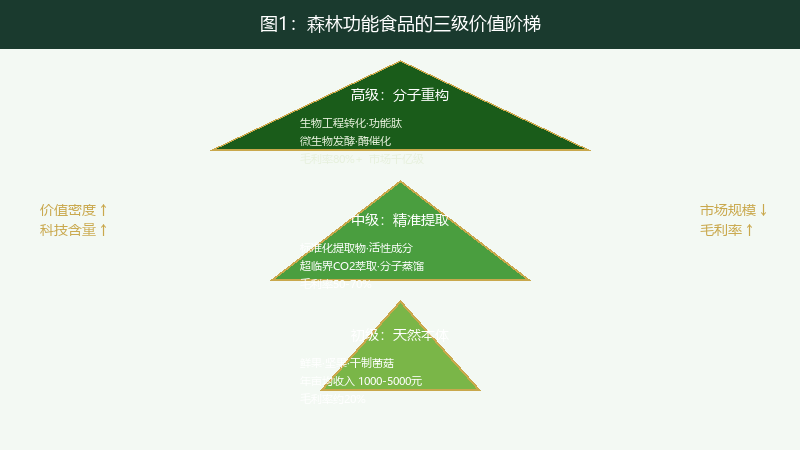
Figure 2 | Panorama of basic forest foods: fruit gathering, nuts and seeds, woody oils, forest mushrooms, and understory specialties — five major categories
3. The Three-Tier Value Ladder of Forest Functional Food
On the broad foundation of basic forest foods, we divide functional food into three value tiers according to technological content and added value. This is not a linear judgment that one is better than another but a bottom-up path of industrial upgrading. Every tier has its own reason to exist, yet profit margins and technical barriers rise steeply from tier to tier.
3.1 Tier One: Natural Whole Form — Lightly Processed Forest Products
This is the most basic level: fresh fruit, nuts, dried mushrooms, natural honey, decoction pieces of understory medicinal materials. These products undergo only physical processing — washing, sorting, drying, slicing — and retain the natural form of the raw material. Typical examples are Yunnan matsutake, northeast pine nuts, Xinjiang walnuts, and Fujian bamboo shoots.
The advantages of this tier are high market awareness, mature consumption habits, and a low entry barrier. But the drawbacks are just as clear: severe homogenization, weak pricing power, gross margins usually between 15% and 30%, and heavy exposure to weather, pests, and disease. Annual income per mu generally falls in the RMB 1,000–5,000 range.
Breaking through at this tier comes down to three forms of precision: precision seed-industry innovation (improved varieties), precision smart management (AI-enabled), and precision harvest timing and method (robots).
3.2 Tier Two: Precision Extraction — Standardized Functional Ingredients
This is the critical step in industrial upgrading. Modern extraction technologies (supercritical CO2 extraction, molecular distillation, membrane separation, chromatographic purification) precisely separate, concentrate, and standardize specific active compounds from forest raw materials. The product form shifts from “a handful of matsutake” to “matsutake polysaccharide extract (polysaccharide content ≥ 30%, controlled by HPLC fingerprint).”
The value leap at this tier comes from three things. First, standardization — every batch has consistent quality and can enter modern supply chains. Second, verifiable efficacy — a defined active-compound content gives functional claims a scientific basis. Third, gross margins rise sharply to 50–70%. Typical cases include pine bark extract (Pycnogenol, annual sales above USD 500 million) and ginkgo leaf extract (the EGb761 standard, a global market of about USD 1.5 billion a year).
3.3 Tier Three: Molecular Reconstruction — Products of Bioengineering Conversion
This is the jewel in the crown of forest functional food. At this tier we are no longer content to extract molecules that nature already made; through enzyme engineering, microbial fermentation, synthetic biology, and other means, we purposefully modify, optimize, and reassemble natural molecules of forest origin to create high-value functional molecules that do not exist in nature or exist only in trace amounts.
Take an example already underway: resveratrol. Natural resveratrol occurs mainly in Japanese knotweed root and grape skin at very low levels (about 0.1–0.5% in knotweed), so extraction is costly. With synthetic biology, the genes for the key enzymes in the resveratrol synthesis pathway are introduced into yeast or E. coli, and resveratrol is produced directly in a fermentation tank using glucose as the carbon source, reaching purity above 99% at 90% lower cost. The same technical route is being used to produce paclitaxel precursors, artemisinin, cannabidiol (CBD), and more.
Gross margins at this tier can exceed 80%, and because of technical barriers and patent protection, it often secures a three-to-five-year period of market exclusivity.
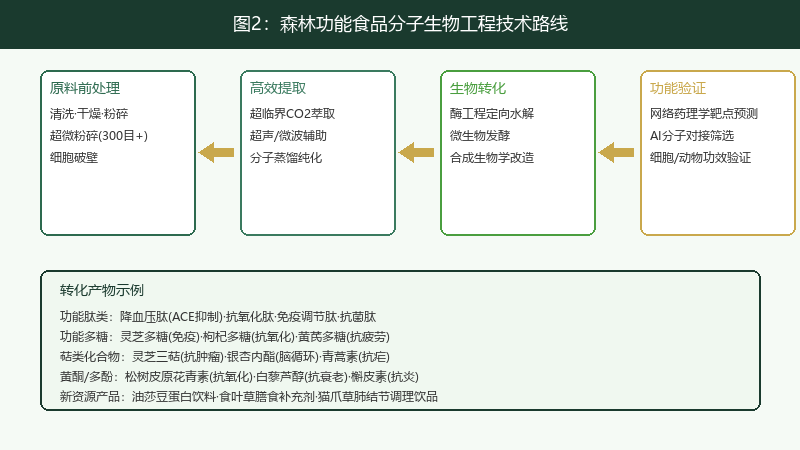
Figure 3 | The three-tier value ladder of forest functional food: from natural whole form to molecular reconstruction, value density and technological content rise tier by tier
4. The Seed-Industry Revolution: From Experience-Based Selection to Gene-Designed Breeding
The starting point of every high-value functional food is superior germplasm. In forestry, breeding a new variety used to take a decade or even decades — discovering an elite individual from natural variation, then going through multiple generations of crossing, selection, and regional trials before extension. Mr. Chu Shijian spent nearly ten years developing Chu Orange, and most medicinal plant varieties still rely on unimproved “farmer varieties” that have never been systematically selected.
Modern biotechnology is compressing that process into three to five years and turning it from luck into precise design:
Marker-assisted selection (MAS): genome-wide association studies (GWAS) quickly locate the key gene loci controlling target traits (active-compound content, disease resistance, yield), so elite individuals can be screened at the seedling stage by genetic testing, without waiting years for phenotypic observation.
Gene editing (CRISPR-Cas9): precise knockout or modification of specific genes. For example, knocking out a negative regulator in the flavonoid synthesis pathway of ginkgo can raise flavonoid content in ginkgo leaves three- to fivefold; activating a key enzyme gene in the artemisinin synthesis pathway in Artemisia annua can greatly increase artemisinin content.
Synthetic biology breeding: not merely “editing” existing genes but “designing” entirely new metabolic pathways. Functional gene modules from different species are assembled in modular fashion to build a “biological factory” inside the plant that produces target molecules on demand. This technology is already mature in microbes, and its application in plants is advancing rapidly.
The seed industry sits at the very upstream of the functional food value chain and is the most easily overlooked chokepoint. Whoever controls superior germplasm controls pricing power along the chain.
5. AI-Driven Smart Forest: AI Accompanies a Plant Through Its Entire Life
I have stressed repeatedly that agriculture, forestry, and animal husbandry are fundamentally industries of nurturing life. Life’s development depends on countless variables — water, nutrients, light, temperature, soil microbes, pests and disease, competition. A deviation in any single variable can create the predicament in which “you paid a lot for a good variety, installed integrated water and fertilizer, chose prime land, and still end up with low yield, mediocre quality, or even trees that refuse to bear fruit.”
In the past this problem was solved by an experienced old technician. But even the best technician masters only one or two crops in one region over a lifetime. As rural areas hollow out, such “local experts” are becoming ever scarcer. There is only one solution: AI.
5.1 The Intelligent Perception Layer: Making Every Tree “Visible”
Deploy a matrix of IoT sensors in the forest: multi-parameter soil sensors (moisture, pH, NPK, EC), micro-weather stations (temperature and humidity, light intensity, CO2 concentration), multispectral/hyperspectral cameras (chlorophyll content, NDVI vegetation index, water-stress signals), and acoustic sensors (monitoring insect activity). Powered by solar plus battery, these sensors transmit data in real time over LoRa/4G networks.
The growth curve of every tree, the effect of every irrigation, the uptake rate of every fertilization — all are recorded digitally. The forest is no longer “a blur of green” but “a digital network of life made of a million independent data nodes.”
5.2 The Intelligent Decision Layer: The “Forest Wisdom” of AI Foundation Models
The data converge into an AI foundation model in the cloud or at the edge. This model integrates three sources of knowledge: first, global research findings in plant physiology, agronomy, and forestry (a knowledge graph); second, years of accumulated planting and management data from a specific forest district (historical learning); third, real-time sensor data (instant perception).
The AI model can precisely forecast each tree’s water and nutrient needs 7–14 days ahead, enabling drip irrigation on demand rather than watering on a schedule; issue warnings 3–7 days before pests or disease become visible to the eye, based on spectral anomalies and changes in acoustic signatures; and, using real-time growth data and market demand, recommend the optimal harvest window to maximize both active-compound content and economic return.
5.3 The Intelligent Execution Layer: The “Last Mile” of Harvesting Robots
Harvesting is the most severe chokepoint in forestry. In Tonghua, Jilin, we are working on a Korean pine cone harvesting robot — Korean pines grow tens of meters tall, and traditional manual cone knocking is dangerous with no one to carry it on. In oil-tea harvesting, the traditional “shake it hard” approach also knocks down flowers and fruit of the same season; we are developing a targeted harvesting solution based on AI vision plus precision lasers or small cutters.
Once these robotic solutions mature, they will not only solve the labor shortage but, more importantly, achieve precision harvesting — picking only fruit at peak ripeness, greatly improving raw-material quality and functional-compound content.
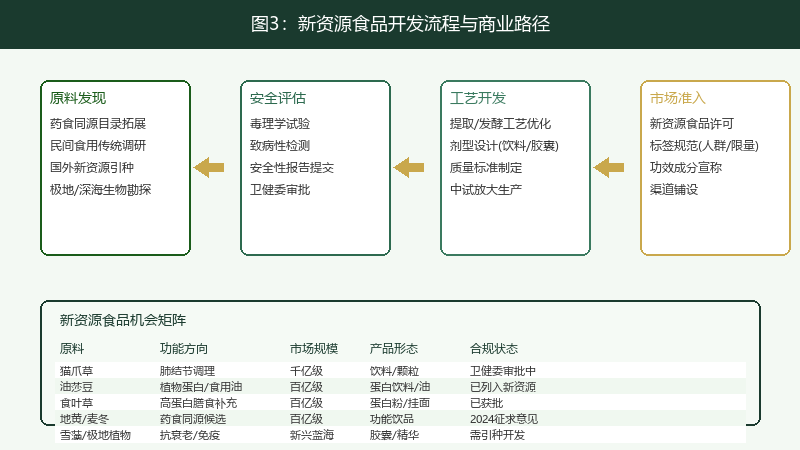
Figure 5 | AI-driven smart forest: sensor collection → brain-inspired foundation model analysis → intelligent decision → robot execution, a full-cycle closed loop
6. Molecular Bioengineering: The Core Technology Engine of Forest Functional Food
If the seed industry determines what to plant and the AI smart forest determines how to plant it well, then molecular bioengineering determines how to make one unit of raw material yield ten units of value. This is the core conversion step through which forest functional food sheds its identity as an agricultural product and becomes a high-tech product.
6.1 The High-Efficiency Extraction Technology Matrix
Supercritical CO2 extraction: exploiting the high solubility and penetrability of CO2 in the supercritical state, this selectively extracts heat-sensitive active compounds (essential oils, unsaturated fatty acids, terpenoids) at low temperature (31–50°C), with no solvent residue and high product safety. It is already widely used to extract pine needle essential oil, perilla seed oil, and reishi spore oil.
Ultrasound/microwave-assisted extraction: using the cavitation effect of ultrasound or the molecular vibration effect of microwaves to efficiently break down plant cell walls within minutes to tens of minutes and release intracellular active compounds. Compared with traditional water decoction, extraction rates rise 30–50% and time is cut by 80%.
Molecular distillation and membrane separation: fine separation at low temperature under high vacuum, suited to purifying heat-sensitive, high-molecular-weight active compounds.
6.2 Biotransformation Technology: Turning “Ordinary Molecules” into “Super Molecules”
Targeted enzymatic hydrolysis: specific enzymes (cellulase, pectinase, protease) cut large molecules at defined sites, hydrolyzing proteins into small peptides with specific functions (ACE-inhibitory peptides — natural blood-pressure-lowering compounds, antioxidant peptides, immunomodulatory peptides). The elegance of this technology lies in “targeting”: by choosing different enzymes and reaction conditions, one raw material can yield products with entirely different functions.
Microbial fermentation and transformation: specific strains (lactic acid bacteria, yeast, Aspergillus) ferment forest raw materials to achieve three goals: raising active-compound content (triterpene content in reishi can rise three- to eightfold after fermentation); generating new active substances (soybean fermentation produces nattokinase); and improving taste and absorption.
Synthetic biology: this is the jewel in the crown. The complete biosynthetic pathway of a target product is rebuilt in engineered microbes or plant cells, using cheap carbon sources as feedstock to produce high-value functional molecules directly in a fermentation tank.
6.3 AI-Enabled Function Discovery: Network Pharmacology + Molecular Docking
Traditional Chinese medicine holds that a medicinal plant acts on the body through a synergistic “multi-component, multi-target, multi-pathway” effect. Modern network pharmacology has validated and deepened this idea. By building a multi-layer network model of “active compound — target protein — signaling pathway — disease phenotype” and combining it with AI molecular docking (predicting the binding affinity of small molecules to target proteins) and high-throughput screening, it becomes possible to systematically reveal how the functional compounds of a forest plant regulate multiple physiological functions.
This “systems pharmacology” methodology gives the scientific development and efficacy validation of forest functional food unprecedented tools — we no longer need to guess what a plant does but can systematically uncover its functional value through computational prediction plus experimental verification.
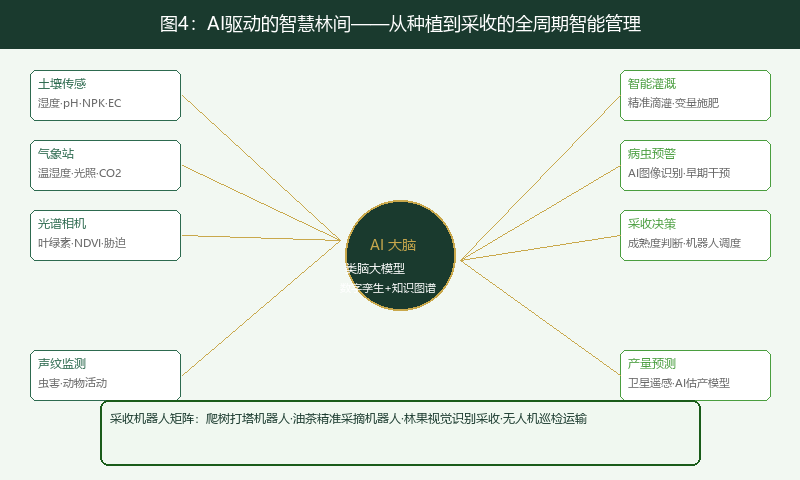
Figure 6 | Molecular bioengineering technology route: raw-material pretreatment → high-efficiency extraction → biotransformation → functional validation, four stages linked end to end
7. Novel Food: A Golden Track in the Blue Ocean
Under the current regulatory framework, functional food development faces one core constraint: only ingredients listed in the “medicine-food homology catalogue” or the “novel food (new food raw material) catalogue” may legally be used in food production. The medicine-food homology catalogue currently contains about 110 items (goji, astragalus, reishi, and so on), while thousands of forest plants have yet to enter any catalogue.
Here lies an enormous strategic opportunity: whoever completes the novel food filing for a given forest plant first can enjoy an exclusive market dividend for three to five years.
7.1 The Development Path for Novel Food
Compliance filing: a systematic safety assessment report must be submitted, including toxicological tests (acute, subchronic, genotoxic), pathogenicity testing, nutritional composition analysis, production process, and quality standards. The whole process usually takes 12 to 24 months and costs RMB 500,000 to 2 million.
Labeling and claim rules: products containing novel food ingredients must state the unsuitable populations (pregnant women, infants, and young children, for example) and the recommended daily limit. Functional claims are strictly limited — nutritional composition may be described, but therapeutic effects must not be implied. This is the pitfall that companies crossing into functional food most often fall into.
Market exclusivity strategy: because of the technical barriers and time cost of novel food filing, the first mover typically gains two to five years of market exclusivity. The key strategy in that window is to build brand awareness and channel barriers quickly while laying out the R&D pipeline for the next generation of products.
7.2 Novel Food Opportunities Worth Watching Today
Here are several directions we are watching and positioning ourselves in:
Cat’s claw grass (Ranunculus ternatus): long used in folk cooking as a soup ingredient, its regulatory effect on pulmonary nodules has been preliminarily validated (a market worth hundreds of billions). It is not yet on the medicine-food homology catalogue; we are advancing a novel food filing and plan to develop a functional beverage for pulmonary nodule management.
Tiger nut (Cyperus esculentus): a new oil crop native to Africa, its tubers are 20–30% oil (with an oleic acid profile comparable to olive oil) and also rich in high-quality plant protein (about 8–10%) and dietary fiber. It has been listed in the novel food catalogue and is well suited to developing premium plant protein beverages and functional cooking oils.
Edible-leaf grass: with protein content of 30–36% (dry weight) and a balanced amino acid profile, it has received novel food approval. Products on the market today are mainly low-value items such as dried noodles; we are pushing toward high-protein dietary supplements (protein powder, meal-replacement shakes), where profit margins can rise five- to tenfold.
The medicine-food homology candidates on which the National Health Commission sought comments in 2024 (Rehmannia, Ophiopogon, Exocarpium citri grandis, Asparagus cochinchinensis, and others) are also worth positioning for early. Beyond these, emerging directions such as insect protein (silkworm pupa protein peptides), polar microalgae (snow algae astaxanthin), and forest microbial fermentation products represent the next wave of functional food innovation.
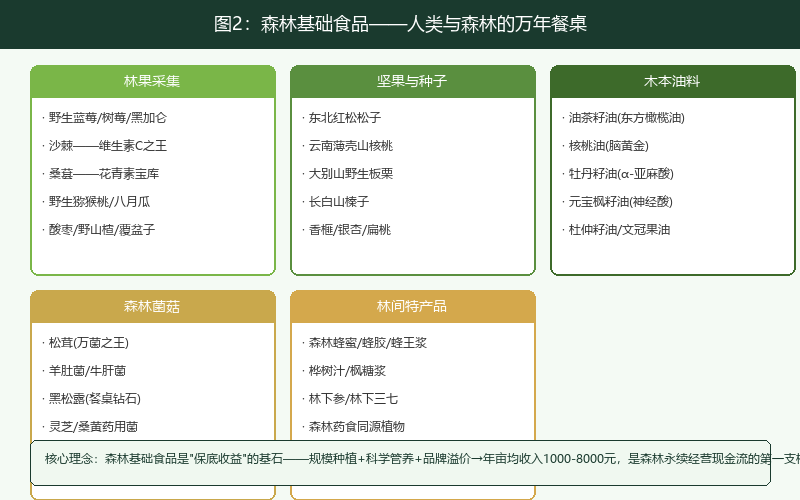
Figure 7 | Novel food development process and opportunity matrix: ingredient discovery → safety assessment → process development → market access
8. Future Outlook: Personalized Nutrition and the Forest Microbiome
Looking back from 2026, the functional food industry is undergoing a profound paradigm shift. The functional food of the past was one-size-fits-all — the same formula sold to everyone. The functional food of the future will be highly personalized — customized functional nutrition programs built on an individual’s genome, metabolome, and gut microbiome data.
8.1 Personalized Nutrition: Your Genes Decide What You Eat
The cost of genetic testing has fallen from tens of thousands of dollars a decade ago to a few hundred yuan today. By analyzing individual gene polymorphisms (MTHFR variants affecting folate metabolism, APOE genotype affecting fat metabolism), it is possible to determine precisely how much of a given functional compound a person needs and how sensitive they are to it.
For example: with the same resveratrol intake, people carrying a particular SIRT1 variant show markedly stronger anti-aging effects than the general population; with the same Omega-3 intake, carriers of an FADS1 variant need a higher dose to reach the same blood concentration.
This means the forest functional food of the future will no longer be “one bottle of reishi spore oil sold to everyone” but “a compound formula of reishi spore oil + ginkgo flavonoids + prebiotics in a specific ratio, customized for you based on your genetic test report.” The chemical diversity of forest raw materials provides exactly the richest possible palette for such personalized combinations.
8.2 The Forest Microbiome: The Next Trillion-Dollar Gold Mine
If forest plants are a visible gold mine, then the microbes in the forest — soil bacteria, fungi, actinomycetes, plant endophytes — are a super gold mine invisible to the eye.
Microbial diversity in forest soil is 10 to 100 times that of farmland. More than 70% of the antibiotics used clinically today come from soil microbes. Yet the use of forest microbes in functional food has only just begun. A few frontier directions: forest-derived probiotics — isolating probiotic strains with unique benefits from traditional fermented forest products (wild honey, pine needle fermentation liquid, understory pickled vegetables); microbial fermentation of functional factors — using engineered strains isolated from forest soil to ferment and produce rare functional molecules; and co-culture with plant endophytes — the active compounds of some medicinal plants are in fact synthesized by their endophytic fungi.
8.3 Plant Stem Cells and Cell Culture
Plant stem cell culture is moving from the lab to industrialization. By culturing plant cambium stem cells in vitro, specific functional secondary metabolites can be produced continuously without felling trees or occupying forest land. South Korea has achieved commercial culture of ginseng stem cells, whose rare ginsenoside content is 10 to 50 times that of traditionally cultivated ginseng. For slow-growing, scarce, high-value forest medicinal plants (yew, Panax notoginseng, Paris polyphylla, Dendrobium), plant stem cell culture offers a sustainable development path that does not damage ecosystems, does not depend on land, and is unaffected by climate.
More encouraging still: continuously reinvesting the scaled cultivation income from basic forest foods into R&D on molecular bioengineering and stem cell culture creates a positive flywheel — basic foods fund R&D, R&D drives high-value products, and high-value products feed back into the basics. This is precisely the complete logic of perpetual forest management in the food dimension.
“Every leaf and every fruit of the forest is a letter nature has written to human health. Our task is to read it with technology.”
Conclusion: From “Living Off the Mountain” to “Living Off Technology”
Traditional forestry lives off the mountain — cut trees and sell timber, pick fruit and sell fruit. Technology-driven forestry lives off technology — using gene editing to design better varieties, AI management to make every tree thrive, molecular bioengineering to turn one unit of raw material into ten units of value, and personalized nutrition to give every person the forest gift that suits them best.
In this article we set out from humanity’s most primitive forest gathering and moved through the broad foundation of basic forest fruits, woody oils, and forest mushrooms; climbed to the high tower of precision extraction and molecular reconstruction; and finally arrived at the future window of personalized nutrition, the microbiome, and stem cell culture. One core insight runs through it all: the commercial value of forest food is not singular — it is a continuous spectrum from “basic forest fruit at RMB 1,000 per mu per year” to “molecular reconstruction products with gross margins above 80%.” The real winner is not a company that plays only one end but a forest operator that positions across multiple points on that spectrum and makes them reinforce one another.
The forest is the most generous chemist on Earth. Over its eons of evolution it has prepared tens of thousands of active molecules for us. Our task is to use modern technology to discover them, understand them, transform them, and deliver them precisely to the people who need them.
“Let every leaf, every fruit, and every microbe of the forest become a guardian of human health.”
────────────────────────────────────
Next up: F05 Technology Empowering High-Value Forest Products (Part Three) — Wood-Based New Materials
────────────────────────────────────
— Foreststellar · Perpetual Forest Management Series —